
Best CFD Brokers of 2026 – Top 10 CFD Brokers with a Web Platform in 2026
Can you profit even when the market is falling? Yes—if you trade CFDs (Contracts for Difference). CFDs let a trader benefit from both rising and falling prices without physically owning the asset. When you buy a CFD on a stock or commodity, you enter a contract with a broker: the difference between the opening and closing prices becomes your profit or loss. It’s important to understand that a CFD is a derivative and does not grant ownership of the underlying asset. For example, by trading a CFD on Apple shares, you don’t become an Apple shareholder and you don’t receive dividends directly—instead, the broker typically reflects dividend events in price/balance adjustments.
CFDs are complex instruments, and because they use leverage, they carry substantial risk. Statistics often show that around 70–85% of retail investor accounts lose money when trading CFDs. This happens because leverage magnifies both profits and losses. The standard warning is: “CFDs are complex instruments and come with a high risk of losing money rapidly due to leverage.” That’s why beginners should focus on understanding the risks and start with smaller amounts and demo accounts.
Why does choosing a CFD broker matter so much? The broker is your access point to the market, and your results depend on its reliability and conditions. A good online broker should safeguard client funds, execute orders fairly, and offer transparent pricing. With hundreds of CFD providers out there, finding a legal and honest one is critical. Unfortunately, there are also bad actors: they may delay withdrawals, manipulate quotes, or be outright scams. Our goal is to help you choose a solid web-based CFD trading platform for 2026, using practical criteria and real feedback, so your trading is both efficient and safer.
One more note: in this article I will only review CFD brokers that offer their own web platform, so you don’t need to download anything—log in on the website and trade from any device. I’ll publish a separate Forex broker ranking later.
Contents
- Best CFD brokers of 2026 (top 10 ranking)
- What criteria did we use for the ranking?
- Comparison table: top 10 CFD brokers 2026
- Quick overview of each broker in the top 10
- #1 IQ Option: features and benefits
- #2 Deriv: features and benefits
- #3 Doto: features and benefits
- #4 Exnova: features and benefits
- #5 Pocket Option: features and benefits
- #6 Olymp Trade: features and benefits
- #7 FxPro: features and benefits
- #8 Crystal Ball Markets: features and benefits
- #9 Iqcent: features and benefits
- #10 Grand Capital: features and benefits
- How to choose the best CFD broker (step-by-step guide)
- What are CFDs? A detailed explanation of contracts for difference
- Popular underlying assets for CFDs
- Leverage, margin, and risks: how CFD trading works
- CFD trading strategies and trader tips
- Pros and cons of CFD trading
- CFD brokers vs classic brokers: how the approaches differ
- Frequently asked questions (FAQ)
- Conclusion
Best CFD brokers of 2026 (top 10 ranking)
We reviewed dozens of companies and selected the top 10 CFD brokers with web platforms for 2026. This list includes providers with solid conditions, higher trust, and modern platforms. Here is our CFD broker ranking for 2026:
- IQ Option – A popular international broker with a convenient proprietary platform and a low entry threshold. A strong fit for beginners (minimum deposit is just $10) and offers a wide range of CFDs on forex, stocks, cryptocurrencies, and commodities. What to check: whether all CFD instruments are available in your region and any inactivity or withdrawal fees.
- Deriv – A broker with a 25-year track record (formerly Binary.com) and multiple licenses. Offers a wide selection of platforms (proprietary terminals, MT5, cTrader) and unique synthetic indices for 24/7 trading. Best for: traders who value flexibility and innovation. Note: leverage conditions depend on your country (lower in the EU).
- Doto – A newer, fast-growing broker that has already received awards (for example, “Best CFD Broker 2025”). Regulated in several jurisdictions (CySEC, FSCA, etc.), offers MT4/MT5 and its own platform with TradingView integration. Pros: low entry threshold ($15), broad market range (forex, stocks, commodities, ETFs, crypto CFDs). Cons: no cent accounts and a possible fee for prolonged inactivity.
- Exnova – An easy-to-learn trading platform with an interface similar to IQ Option. Offers 250+ assets (forex, stocks, cryptocurrencies, etc.) and a $10 minimum deposit, which attracts beginners. However: the broker is not regulated by major authorities, and there are complaints about withdrawal issues. It’s best to be cautious and trade small amounts until you are confident in reliability.
- Pocket Option – A well-known platform focused on binary options and CFDs. Entry from $10, trades from $1—convenient for learning with small amounts. Includes social trading features, tournaments, and bonuses. Key point: there is no strong license—the platform is registered offshore, and its Mwali (Comoros) license was suspended by the regulator. In practice, Pocket Option is outside strict oversight, so funding large amounts is risky.
- Olymp Trade – One of the most popular platforms for beginner traders. Known for education: webinars, strategies, and a $10,000 demo account. Olymp Trade is easy to use, with a $10 minimum deposit and trades from $1. It offers two trading modes: fixed time (FTT) and forex/CFD mode. Regulation: an offshore VFSC (Vanuatu) license and membership in the Financial Commission (up to €20k compensation). Note: the platform is unavailable in some countries (US, EU), and its asset list is smaller than larger MT4 brokers.
- FXPro – A classic forex/CFD broker with a strong reputation, operating since 2006. Regulated by the FCA (UK), CySEC (Cyprus), FSCA (South Africa), and the Bahamas regulator (SCB). Offers professional platforms MetaTrader 4/5 and cTrader, strong order execution (NDD, execution <14 ms), and 2,000+ CFD instruments (including 70+ FX pairs and global shares). Best for: experienced traders who prioritize reliability and tighter spreads (from 0.0 pips on a Raw account). For beginners: demo and micro-lots are available, but the minimum deposit is $100.
- Crystal Ball Markets – A younger broker (public-facing since 2020) that attracts attention with no-deposit bonuses and the option to trade both personal and allocated funds (prop firm). Offers micro-lots of 0.0001 and a $50 minimum deposit, which can be useful for practice. However, there is no real regulation: the company is registered in Saint Vincent (SVG) and is listed as a financial service in FINTRAC (Canada), which is not a broker license. Pros: broad market range (forex, stocks, commodities, crypto, options) and customer support. Cons: no license and regulator warnings (for example, Canada’s AMF issued a warning about Crystal Ball Markets in 2022). A very cautious approach is recommended.
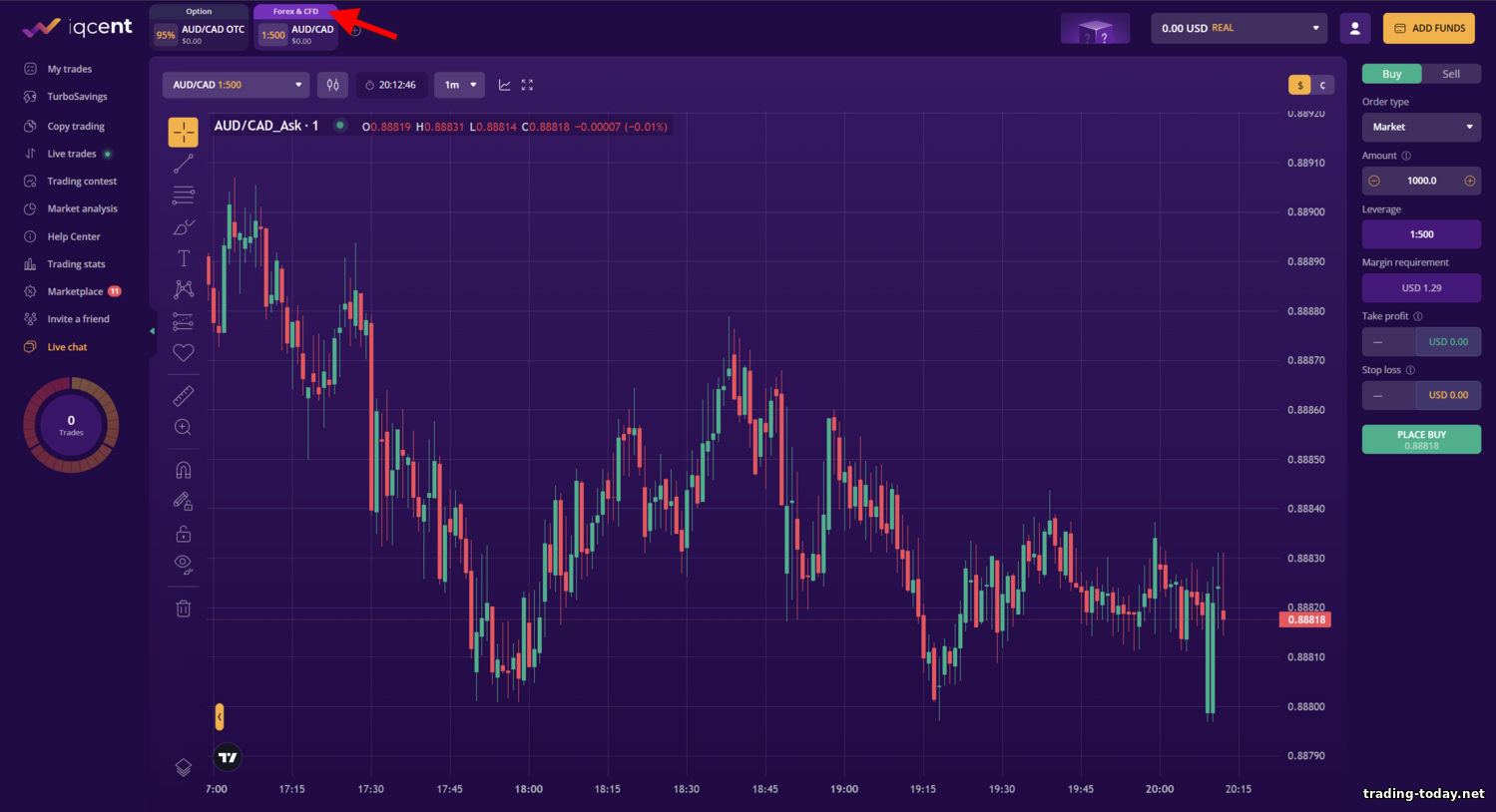
- Iqcent – Focused on small-balance trading and copy trading. The name comes from cent accounts that let traders start with small stakes. Offers both binary options and CFDs through its own web terminal, with copy-trading features. Minimum deposit is $50 on the base account; there are deposit bonuses (up to 100% on a Gold account). Key point: Iqcent is not regulated by major authorities, operates offshore (Marshall Islands), and refers to an IFMRRC certificate only. Online, there are complaints about withdrawals and strict bonus terms (for example, a 20% withdrawal fee if bonus turnover requirements are not met). So, despite the low entry level, it’s risky to trust Iqcent with large sums—test withdrawals with small transactions first.
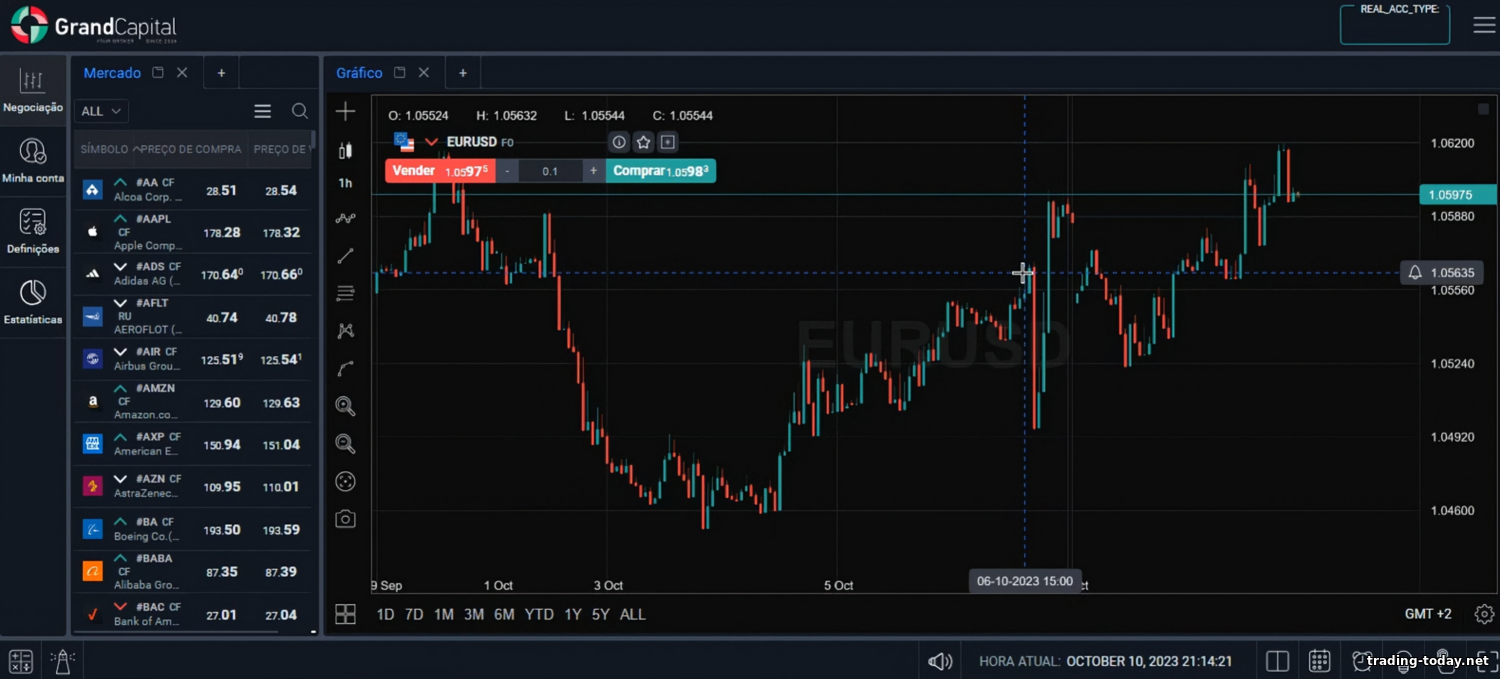
- Grand Capital – A forex market veteran (operating since 2006) with roots in Eastern Europe. Offers multiple account types, including cent accounts and an ECN account, plus classic MetaTrader 4/5 platforms. Stands out by combining forex/CFDs with other services: investment portfolios, copy trading (LAMM), and trader contests. Regulation: in 2024 it obtained an Mwali (Comoros) license and is a member of the Financial Commission with protection up to €20,000. While Mwali is not considered a strict regulator (essentially offshore registration), Financial Commission membership adds some confidence. Grand Capital suits those who value long operating history and flexibility. Before you start, check: whether the service is available in your country (the broker states it does not work in certain regions, including the US, Russia, the EU, etc., under its terms).
What criteria did we use for the ranking?
When selecting the best CFD brokers for 2026, we used the following key quality criteria:
- Regulation and licenses. Reputable licenses (for example, FCA, CySEC, ASIC) or at least solid tier‑2 regulators (such as FSCA, MISA) are a sign that a broker operates transparently and under oversight. We checked the jurisdictions where the company operates and its market reputation. Brokers without regulation or with a poor track record did not make the list.
- Trading costs: spreads, commissions, swaps. We compared spreads on popular instruments (for example, EUR/USD, gold, S&P 500) and commission structures. Pricing should be clear and reasonable—for instance, EUR/USD spreads close to 1 pip or lower, and withdrawals without hidden charges. We also considered swaps (overnight fees), which should not wipe out profits on longer holds.
- Leverage and margin requirements. We assessed the maximum leverage available and under what conditions. Limits vary by region—for example, in the EU under ESMA rules, retail leverage is capped at 1:30. Outside the EU, many brokers offer 1:500 or more. Higher leverage provides more flexibility but increases risk, so we also looked for Negative Balance Protection (so clients do not end up owing money).
- Trading platforms and usability. Top brokers provide modern, functional platforms—from classics (MetaTrader 4/5, cTrader) to proprietary web terminals and mobile apps. We evaluated interface clarity, mobile availability, and stability. A demo account for risk-free practice is a plus.
- Range of markets and instruments. Variety is a major advantage. We included brokers that offer multiple asset classes: currencies (Forex), global stock indices, company shares, commodities (oil, gold, etc.), and cryptocurrencies. A broad selection helps diversify. We also noted crypto CFDs and ETF CFDs, as these categories continue to attract interest in 2026.
- Deposits and withdrawals. Reliable brokers offer convenient funding and withdrawal methods: bank cards, e-wallets (Skrill, Neteller), bank transfer, and sometimes crypto. We checked how fast withdrawals are processed and whether fees apply. The best brokers either charge nothing or allow several free withdrawals per month. Speed matters too—top brokers process requests within 1–3 business days or faster.
- Support and education. Quality client support (24/5 or 24/7, ideally in multiple languages) is a sign of client focus. We considered trader feedback on support speed and issue resolution. Educational resources—training sections, webinars, analytics—also add value and improved the ranking.
Comparison table: top 10 CFD brokers 2026
For clarity, here is a comparison table of key terms for the top 10 brokers in our ranking:
| # | Broker | Min. deposit | Max leverage | Fees | Platforms | Regulation | Account | Review | |
|---|---|---|---|---|---|---|---|---|---|
| 1 |
 IQ Option |
$10 | Up to 1:1000 (not available in the EU) | No trading commissions (spread included); $31 bank withdrawal fee, inactivity €10/mo | Proprietary platform (web/mobile); MT4/MT5 – ❌ | CySEC (Cyprus, No.247/14); offshore license outside the EU | Live Demo | ||
| 2 |
 Deriv |
$5 | 1:30 (EU) up to 1:1000 (outside the EU) | $0 (Std); Raw account fee ~$6 per lot | MT5, cTrader, Deriv Trader/Go/Bot, mobile app | MFSA (Malta); LFSA (Malaysia); BVI, Vanuatu; UAE (SCA) | Live Demo | ||
| 3 |
 Doto |
$15 | Up to 1:500 (Forex/gold) | None (Standard); Raw account: $3.5 per lot (entry from $200) | MT4, MT5, Doto (web/mobile, TradingView charts) | CySEC (Cyprus, No.399/21); FSCA (South Africa); FSC (Mauritius); FSA (Seychelles) | Live Demo | ||
| 4 |
 Exnova |
$10 | Up to 1:500 | None (spread account) | Proprietary platform (web, mobile) | No regulation (offshore, St. Lucia) | Live Demo | ||
| 5 |
 Pocket Option |
$10 | Up to 1:500 (Forex) | None (spread, FTT fee 0–10%) | Proprietary platform (web, mobile); MT5 – ✔ (Forex) | Offshore: previously Mwali (Comoros) – suspended; IFMRRC (non-governmental) | Live Demo | ||
| 6 |
 Olymp Trade |
$10 | Up to 1:500 (standard accounts) | None for FTT; Forex: spread-based, no commission | Olymp Trade (web/PC/mobile); MT4 – ✔ (for Forex) | VFSC (Vanuatu); Financial Commission (cat. A) | Live Demo | ||
| 7 |
 FxPro |
$100 | 1:30 (EU/UK) up to 1:500 (under Bahamas) | Std: none; Raw+: $7/lot (spreads from 0.0) | MT4, MT5, cTrader; FxPro Edge (Web) | FCA (UK); CySEC (Cyprus); FSCA (South Africa); SCB (Bahamas) | Live Demo | ||
| 8 |
 Crystal Ball Markets |
$50 | Up to 1:500 | None (spread); ECN account fee $10/lot | MT5 (PC/mobile); WebTrader; M{17} | Offshore (SVG), MSB registration in Canada (FINTRAC) – no license | Live Demo | ||
| 9 |
 Iqcent |
$50 (Bronze) | Up to 1:500 | None (spread); 5% card fee applies | Proprietary web terminal; copy trading | Offshore (Marshall Is.), IFMRRC (certificate) – not regulated | Live Demo | ||
| 10 |
 Grand Capital |
$10 (micro) | Up to 1:500 (outside the EU) | Std: none; ECN Prime: $5 per lot; crypto 0.5% | MT4, MT5; WebTrader; mobile app | MISA (Comoros); Financial Commission (A); Seychelles registration | Live Demo |
Comparison
| # | Broker | Min. deposit | Max leverage | Fees | Platforms | Regulation | Account | Review |
|---|
Quick overview of each broker in the top 10
Below is a short profile of each broker in the list, highlighting strengths and important nuances:
- IQ Option – a strong choice for beginners. A clean interface, $10 minimum deposit, and $1 trades let you start with a small budget. The platform includes social features (a feed of other traders’ deals) and contests. Spreads are moderate (from ~0.8 pips on EUR/USD), there’s no per-trade commission, but note the inactivity fee (€10/mo after 90 days) and a bank withdrawal fee (₽). Regulation: EU clients are served via the CySEC-licensed Cyprus entity; globally, an offshore entity operates. Takeaway: a practical starter broker, but advanced traders may miss MT4/MT5 and certain pro tools.
- Deriv – an innovation-focused ecosystem. The successor to Binary.com, operating since 1999 with millions of clients worldwide. Offers 7 different platforms, including MT5, cTrader, and proprietary solutions (Deriv Trader, Deriv Bot for automation, Deriv X). Known for Synthetic Indices that simulate market volatility 24/7—something many competitors don’t offer. Regulation is international: licenses across Malta, Mauritius, Vanuatu, the UAE, and more. Spreads and fees are competitive, with leverage up to 1:1000 outside the EU. Recommended for traders who want many markets and tools in one place.
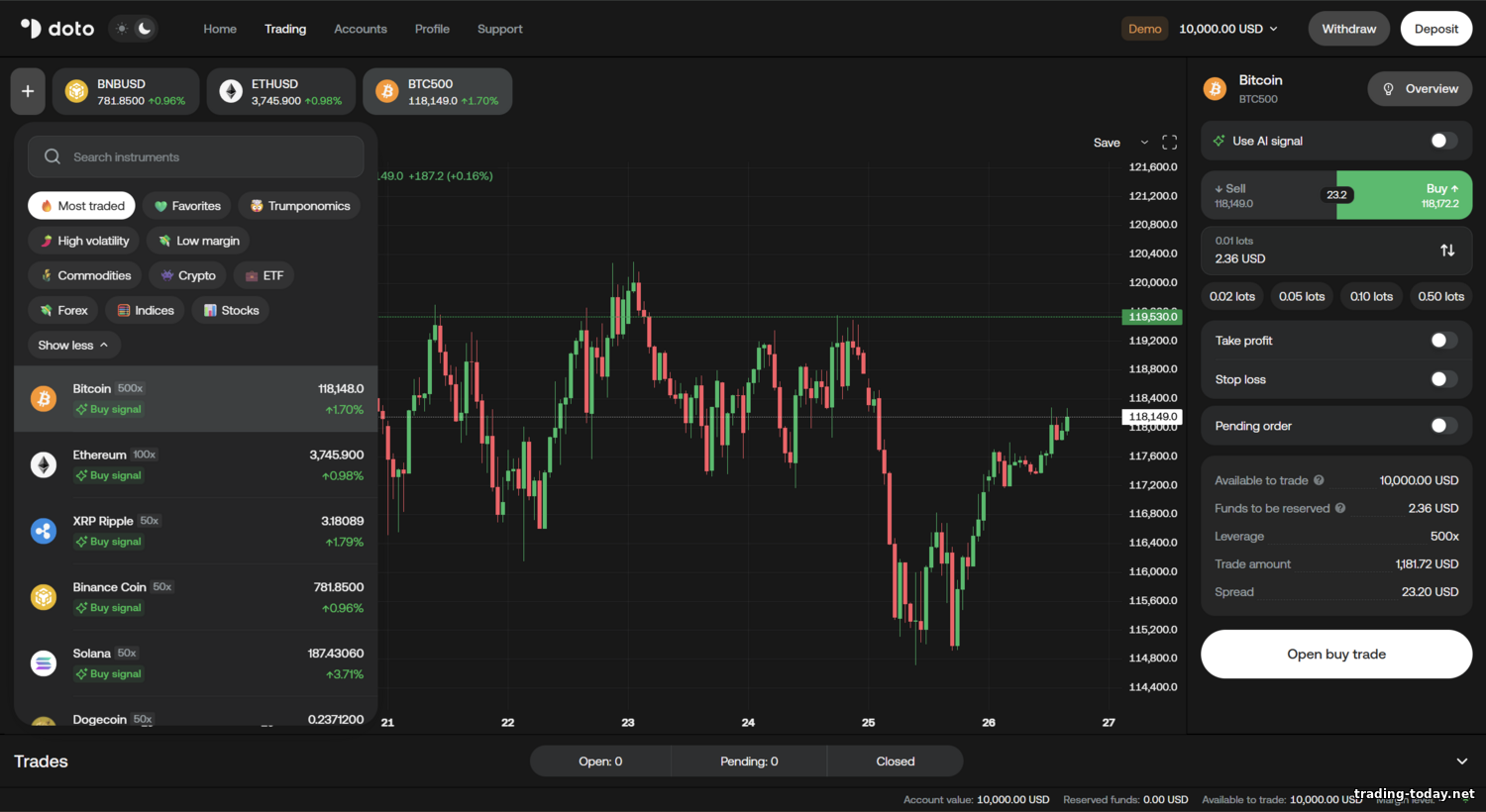
- Doto – a tech-forward broker. Offers its own platform with TradingView charts and built-in news, while also supporting MetaTrader 4/5 for those who prefer classic terminals. Entry is relatively low ($15) and regulation includes recognizable jurisdictions: Cyprus (CySEC), South Africa (FSCA), etc. Spreads from about 1 pip on the standard account; a Raw account with near-zero spreads (commission ~$6) can suit scalpers. Note: the broker may charge an inactivity/storage fee if there is no trading for 180+ days. Overall, Doto is a newer but promising option that blends usability and pro features.
- Exnova – a platform for a cautious start. Very low entry (deposit from $10) and an intuitive interface clearly aimed at newcomers. Offers 250+ assets, including popular US stocks, currencies, and major cryptocurrencies. However, the broker’s legal status is unclear: there’s no clear licensing information and the setup is offshore. In 2025, some reviews raised concerns: some users reported account blocks when trying to withdraw profits, while others mentioned unexplained withdrawal refusals. There are also positive comments about usability. Bottom line: suitable for learning and small volumes, but large balances are risky—test small withdrawals first.
- Pocket Option – for those who like options-style trading and CFDs. The platform is best known for binary options, but it also offers a CFD mode for forex and other assets. Quick signup, instant demo, and many promotions (cashback, tournaments) attract beginners. However, regulation is minimal: historically offshore registration plus an IFMRRC certificate (not a government regulator). In 2023, the Central Bank of the Comoros annulled the license of its legal entity. There are also reports of incentives for positive reviews in exchange for bonuses. Conclusion: Pocket Option can be used with small sums for practice, but for serious CFD trading a more regulated broker is a safer choice.
- Olymp Trade – simplicity with a focus on learning. On the market since 2014, aimed at a broad retail audience. Offers many educational materials: an interactive academy, weekly reviews, and personal guidance for VIP clients. The proprietary platform is straightforward and user-friendly. Around 180–200 assets are available, including OTC markets. Regulation is offshore (via VFSC, Vanuatu), but Olymp Trade is a member of the International Financial Commission with a compensation fund up to €20,000, which partly offsets the lack of a top-tier license. Limitation: advanced traders may miss deeper customization (no full MT4 workflow, limits on order/indicator setup).
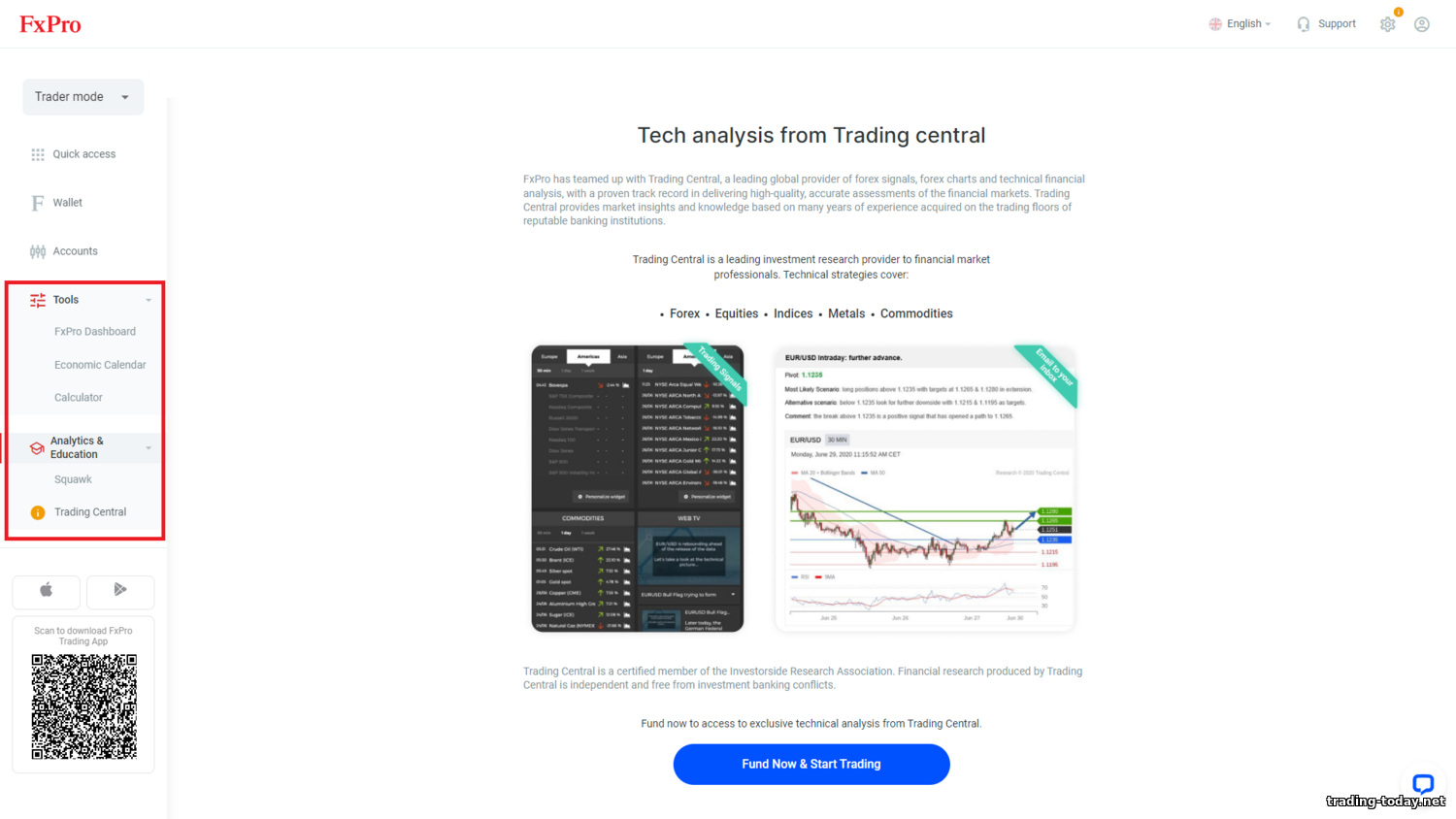
- FXPro – reliability and a more professional setup. Many experienced traders choose this broker. Regulated in the UK and EU and often viewed as financially stable (Tier‑1 capital > €100 million). Offers classic MT4/MT5 and cTrader for direct ECN-style execution. Typical spreads on standard accounts are around 1.3 pips on EUR/USD; on Raw accounts about ~0.2 plus a $7/lot commission, which can benefit active traders. FxPro is also known for fast execution and a low rate of requotes. Best for: traders who prioritize regulation, execution quality, and smoother withdrawals. Beginners can use demo and micro sizes, but MetaTrader still requires some learning.
- Crystal Ball Markets – bonuses with elevated risk. The broker draws attention with a $50 no-deposit bonus for new clients and prop-trading programs (trading on company funds after selection). Terms are typical for an offshore broker: 1:500 leverage, EUR/USD spread ~1.5 pips, and several account types (Standard, ECN, etc.). A notable detail is the minimum lot size of 0.0001, which allows very small test trades. The key concern is reliability: Crystal Ball is not licensed by a major regulator; FINTRAC registration in Canada does not authorize broker services. While Trustpilot shows a high rating (4.6/5), some watchdogs warn about risks with offshore brokers. Takeaway: interesting for bonus-based practice, but placing large personal funds here is high risk.
- Iqcent – copy trading and short-term trading formats. Iqcent combines binary-style short trades with classic CFD trading in one web terminal. The platform supports copying other traders’ deals, which can help beginners learn by observing. There are also tournaments and deposit bonuses (Bronze from $50, Silver from $1,000—50% bonus, Gold from $5,000—100% bonus). But the attractive features come with limited transparency: Iqcent has no major regulation and operates offshore. There are allegations online about withdrawal refusals and even scams, including claims that users are asked to pay a “tax” of 20% to withdraw, after which communication stops. Bottom line: potentially useful for practice and copy trading, but treat it as high risk and avoid depositing more than you can afford to lose.
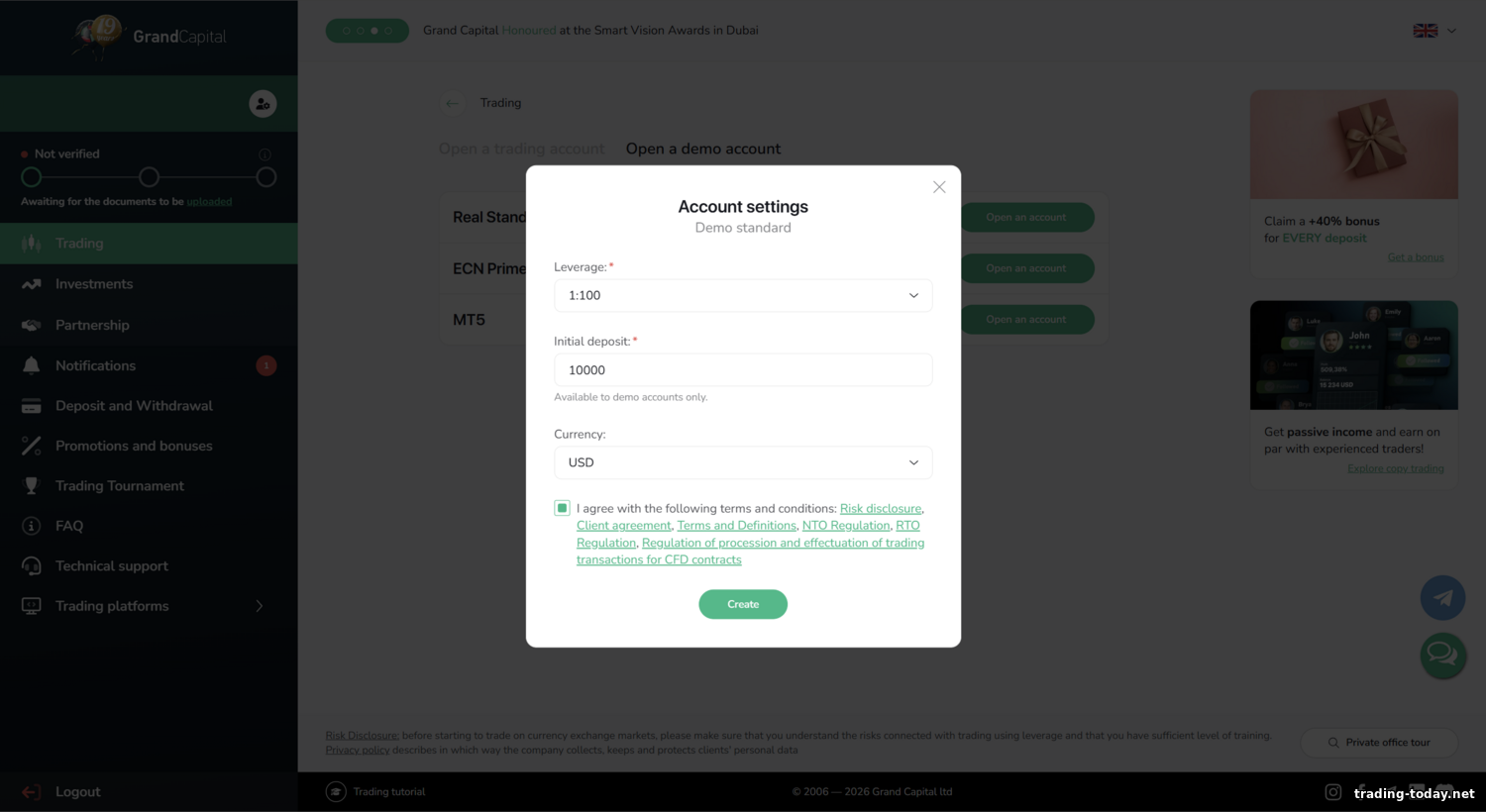
- Grand Capital – a solid “all-rounder” for those who need MT4/MT5, cent accounts, and a broad instrument list. Operates offshore: claims an Mwali (Comoros) license (No. BFX2024219, issued in November 2024) and Seychelles registration, and has been a Financial Commission member (category A) since 2016 with compensation up to €20,000. In terms of conditions: Standard (MT4, ~1.5 pips EUR/USD), MT5 (~1.2 pips), Crypto (deposit in USDT, spread ~0.4% and 0% commission), and ECN Prime (spreads from 0.4 pips + $5/lot, min. deposit $500), plus a “Micro” cent account from $10 for learning. Platforms: MT4/MT5, a proprietary WebTrader, and GC Invest (LAMM) copy trading. Note the inactivity fee ($10 after ~70 days) and that regulation is not top-tier: the advantage is history and tools, the downside is offshore structure and past disputes.
#1 IQ Option: features and benefits
Regulation and safety: IQ Option operates through two entities—the European IQ Option Europe Ltd (CySEC license No.247/14, Cyprus) and the international IQ Option Ltd (offshore). In the EU, the broker is regulated by CySEC, and EU client funds are protected under EU rules (for example, a compensation fund up to €20,000 and negative balance protection). Outside the EU, the company is not overseen by top-tier regulators, but it is generally considered established—operating since 2013 and serving tens of millions of traders.
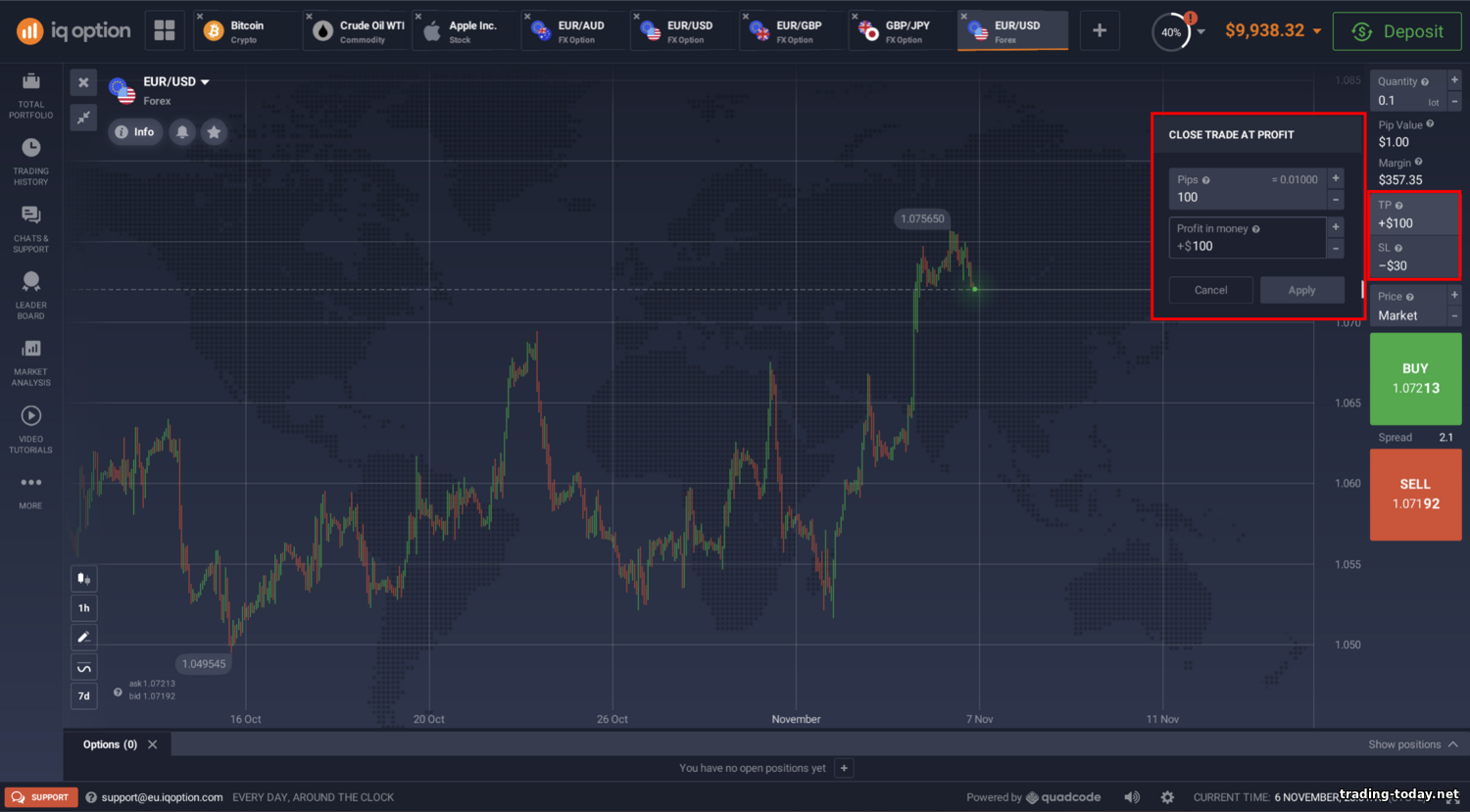
Trading conditions: The minimum deposit is $10 and the minimum trade is $1—among the lowest entry points on the market. Spreads on IQ Option are floating; on major pairs they are often tight (EUR/USD around 0.8–1.0 pips), while stock CFDs can have wider spreads. There is no per-trade commission (the broker earns from the spread). Additional costs may include swaps for holding positions overnight and a bank withdrawal fee (around $31, so e-wallets or cards can be more practical). There is also an inactivity fee—€10 per month if there are no operations for 90 days. Leverage for clients in CIS and other regions can reach up to 1:1000 on forex, while in the EU it is capped at 1:30 due to regulation. Overall, terms are flexible: micro-lots are available, with stop-loss and take-profit, and trailing stop support.
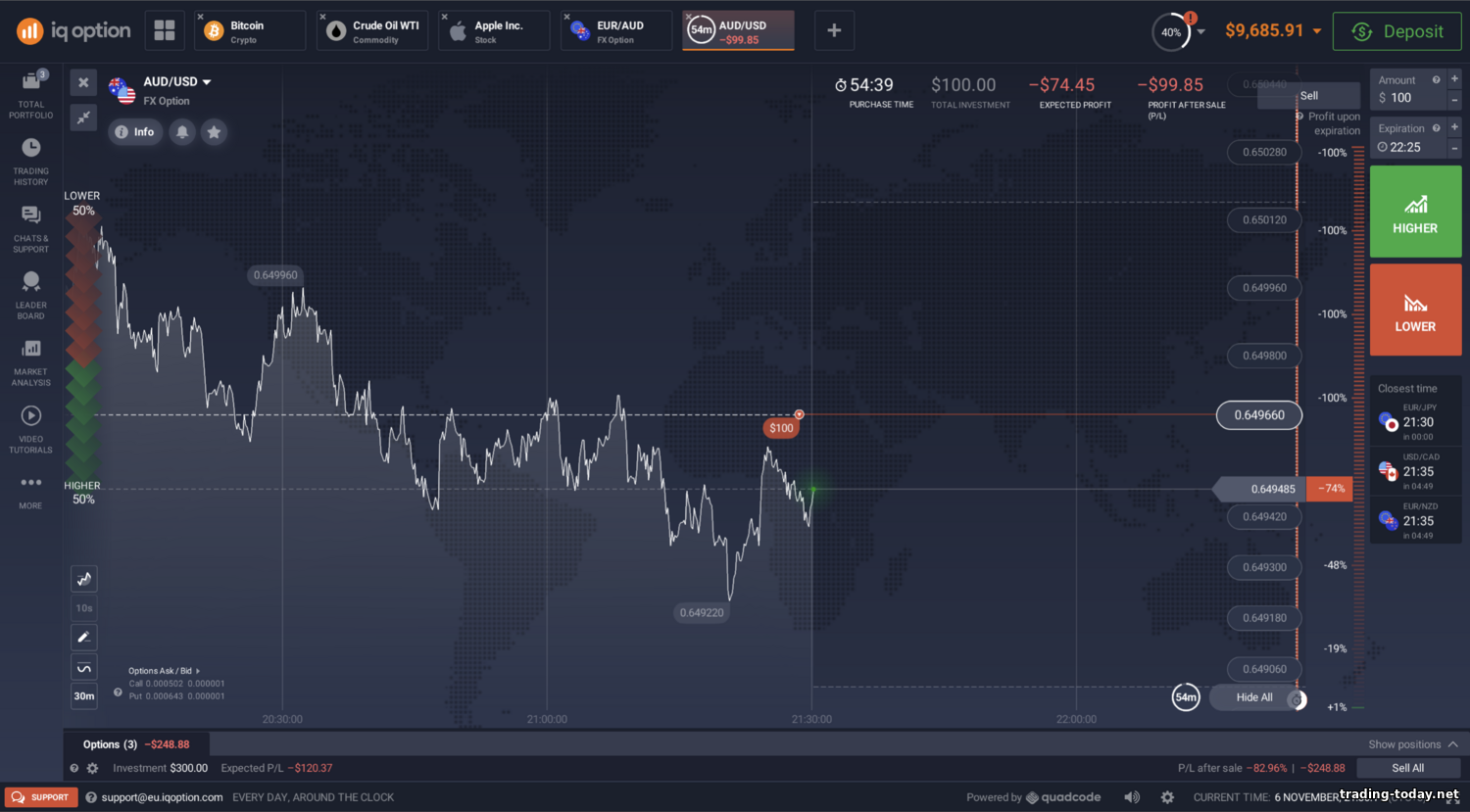
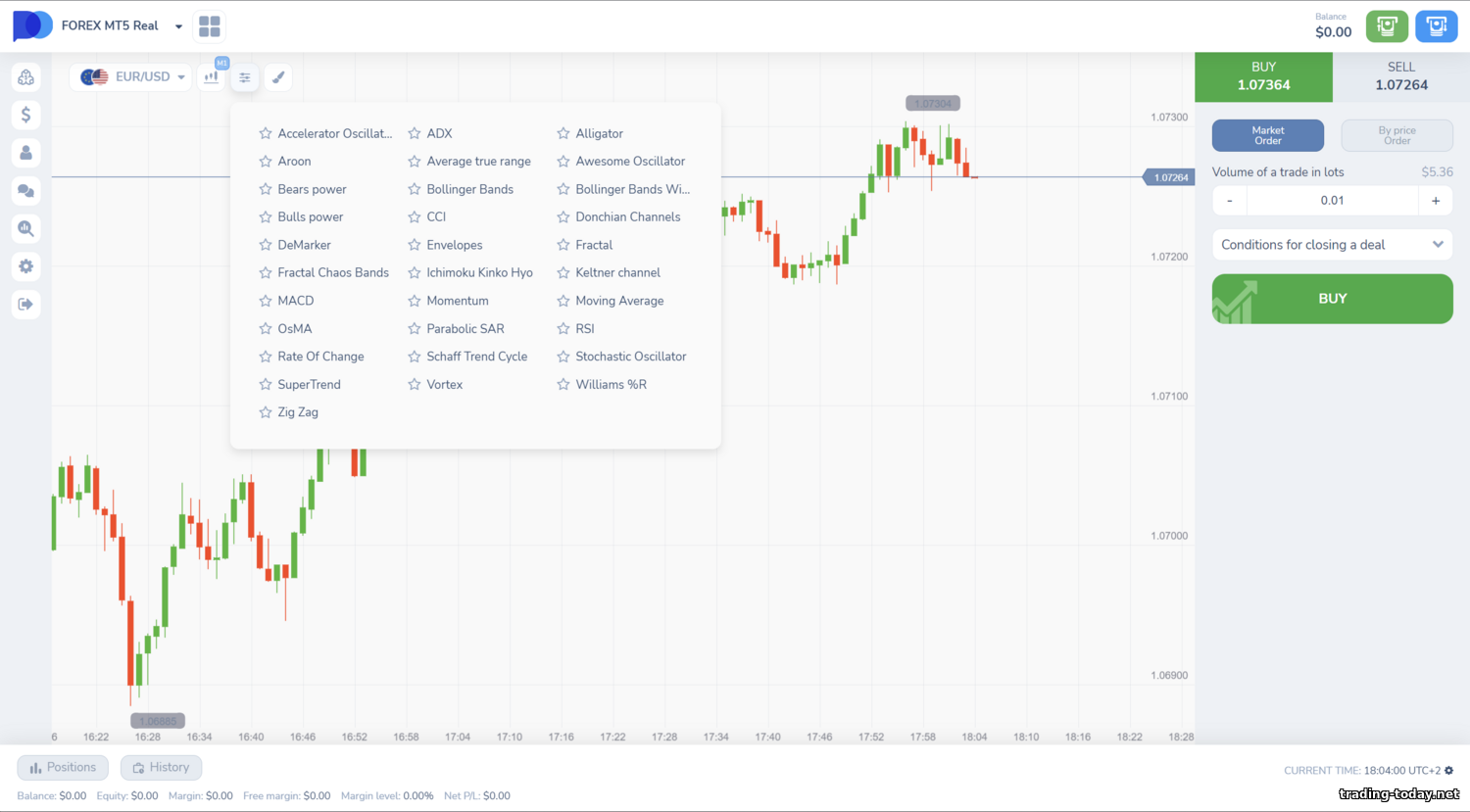
Platforms: The proprietary IQ Option platform is available in the browser, as a desktop app (Windows, Mac), and on mobile (iOS, Android). The interface is modern: you can open multiple charts on one screen, use many indicators (MA, RSI, Bollinger, etc.), and switch between options and CFD modes. A demo account is available for free with $10,000 in virtual funds—useful for practice. MetaTrader 4/5 is not supported, but most core functions are covered in the in-house terminal. Social features are also present: “Community Live Deals” shows other traders’ positions in real time—interesting for learning, but it can also distract if you copy without a plan.
Instrument selection: IQ Option became known as a binary options broker, but it now offers hundreds of CFD instruments: forex (currency pairs), shares of major companies (Apple, Tesla, Amazon, etc.), stock indices (S&P 500, DAX, etc.), commodities (oil, gold, silver), and cryptocurrencies (Bitcoin, Ethereum, 20+ coins). There are also ETF CFDs and even digital options (a fixed-return options format). This allows traders to access multiple markets in one app.
Key advantages:
- Low entry threshold. Many traders start with $10 on IQ Option to learn without risking large sums.
- Usability and design. The interface is easy to grasp in 1–2 hours, with built-in guidance (for example, step-by-step prompts when opening a trade).
- Fast deposits and withdrawals. Deposits are usually instant (cards, wallets); withdrawals to e-wallets can be processed within a day. There are typically no deposit fees, and card withdrawals are often 0% (except bank transfer).
- Community and tournaments. The broker runs trading tournaments with prize pools, and there is an active user community on social platforms sharing ideas and tips.
Drawbacks and limitations:
- Limited extensibility. The proprietary terminal does not support scripts or expert advisors, and you can’t port MT4 strategies directly. For algorithmic traders, this is a downside.
- Less protection outside the EU. If you are not in Europe, you will trade via the offshore entity. You won’t have the same regulatory safeguards, and disputes may be harder to resolve. There are no widely known large-scale non-payment scandals around IQ Option, but the lack of EU-style insurance matters.
- More modest selection for advanced needs. While the instrument list is broad (300+), it can be smaller than major multi-asset brokers like XTB or IG. There are fewer small-cap shares, exotic FX pairs, and bonds. There is also no direct exchange access (everything is via CFDs), which is expected for this segment.
IQ Option FAQ:
- Is IQ Option suitable for beginners? – Yes, it’s one of the more accessible ways to start. The platform is intuitive, the demo account is available, and the $10 minimum deposit helps you learn with limited risk. There are also educational articles and videos. Many beginners like it because you don’t need to master complex terminals on day one—the interface is guided.
- Is there a demo account and how do you use it? – Yes, every client gets a demo account by default. Right after registration, you receive $10,000 in virtual funds. You can switch between live and demo in one click. Start with demo: open trades on different assets, test indicators, and practice stop-loss/take-profit. The demo mirrors real market conditions; the only difference is that you don’t risk your money. If needed, you can reset the virtual balance back to $10k as many times as you like.
- What are the main fees at IQ Option? – There are no direct trading commissions; the broker earns from the spread (the difference between buy and sell). Spreads on major pairs and indices are often relatively tight—for example, EUR/USD ~0.9 pips, gold ~0.3 USD. Swaps (overnight fees) apply, and the amount depends on the instrument: usually modest on FX, higher on crypto due to volatility. Withdrawals to cards and e-wallets are typically free from the broker’s side; bank transfer has a fee of about $31. The inactivity fee is €10 per month after 90 days without activity. In practice, active traders mainly pay spreads and swaps; intraday trading can limit costs to spreads only.





Reviews and comments