
IUX (IUX Markets) Broker Review – a global Forex and CFD broker with low spreads
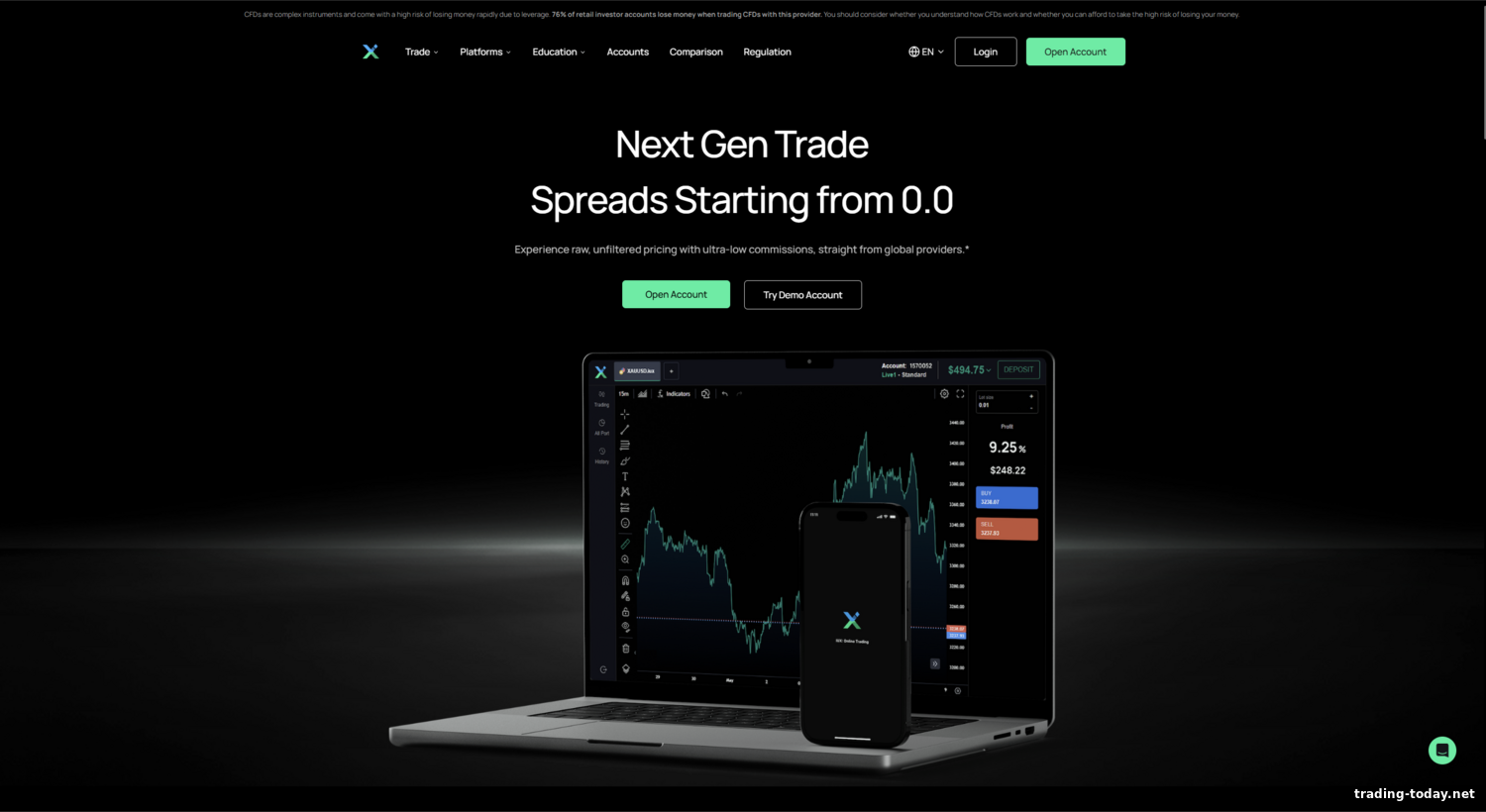
IUX is an international Forex broker and CFD provider founded in 2016. The company (previously known as IUX Markets) focuses on online trading in currencies and CFD contracts across various assets. The broker is registered in the offshore jurisdiction of Mauritius, yet operates globally through several licensed entities. More than 700,000 traders worldwide have chosen IUX for online trading. Key features that often attract clients from the start include a minimum deposit of just $10, ultra-high leverage of 1:3000, competitive spreads down to 0.0 points, and no commissions on the basic accounts. At the same time, the broker places strong emphasis on fund safety: it states it is regulated in multiple jurisdictions, keeps client money in segregated accounts, and provides negative balance protection.
IUX’s footprint covers many regions across Asia, Africa, and Latin America—over 140 countries in total—excluding certain restricted jurisdictions (the US, the EU, and others; details below). The broker’s offices are located in different parts of the world (including Mauritius, South Africa, and Asia), underlining the company’s international reach. With cross-border licenses and partnerships (for example, an official collaboration with Fulham FC in the English Premier League), IUX strengthens brand recognition and trader confidence.
Contents
- Expert verdict: IUX’s position compared to competitors
- Pros and cons of IUX
- Regulation and client safety
- IUX reliability: scam or a fair broker?
- IUX trading account types
- Trading conditions: spreads, commissions, and hidden costs
- Trading instruments and markets
- Trading platforms and technology
- Mobile trading with IUX
- Account opening and verification
- Deposits and withdrawals
- Bonuses, promotions, and loyalty programs
- Educational resources and analytics
- Support and client service
- Client restrictions
- Awards and achievements
- Comparing IUX with other brokers
- FAQ – Frequently asked questions about IUX
- Conclusion
Expert verdict: IUX’s position compared to competitors
According to expert opinions, IUX stands out as a broker that combines modern technology with attractive trading conditions. The independent Traders Union rating assigned IUX an overall score of 9.4 out of 10—one of the highest among brokers. Analysts note that IUX can fit both beginners and experienced traders. Newcomers may appreciate the simple interface, training materials, and low entry threshold ($10), while advanced traders look at tight spreads, fast order execution (~30 ms), and the ability to scalp without restrictions.
Against competitors, IUX is positioned as a technology-driven online broker with low client-side costs. For example, the average EUR/USD spread is around 0.6 points, which is below the market average of 1.0–1.2 points. Unlike many large brokers (FXPro, AMarkets), IUX does not charge a trading commission on standard accounts, and its leverage (up to 1:3000) is far higher than what is typical for regulated European firms (where the cap is usually 1:30–1:50). In execution quality and spread levels, IUX aims to compete with well-known names such as IC Markets and Exness, while offering a few proprietary features: a web terminal with TradingView integration, the LotBack rebate program, and 24/7 customer support.
Compared with popular brokers like RoboForex or AMarkets, IUX looks stronger in pricing transparency and technology breadth (for example, it supports MetaTrader 5 and an advanced web terminal), although it is slightly behind in the number of available instruments (around 150 versus thousands at some competitors). Still, when you weigh trading conditions, safety, and service together, IUX can be viewed as a high-quality brokerage firm. The overall expert take is largely positive: IUX offers a combination of low trading costs and multi-layer regulation that many traders consider important when choosing where to trade.
Pros and cons of IUX
Main advantages of IUX:
- Multi-layer regulation and oversight (FSC, FSCA, ASIC licenses and FSA SVG registration) – stronger accountability and supervision.
- Client fund security – money is held in segregated accounts, with negative balance protection.
- Very high leverage – up to 1:3000, giving traders flexibility (with prudent risk control).
- Low minimum deposit of $10 – you can start with a small amount.
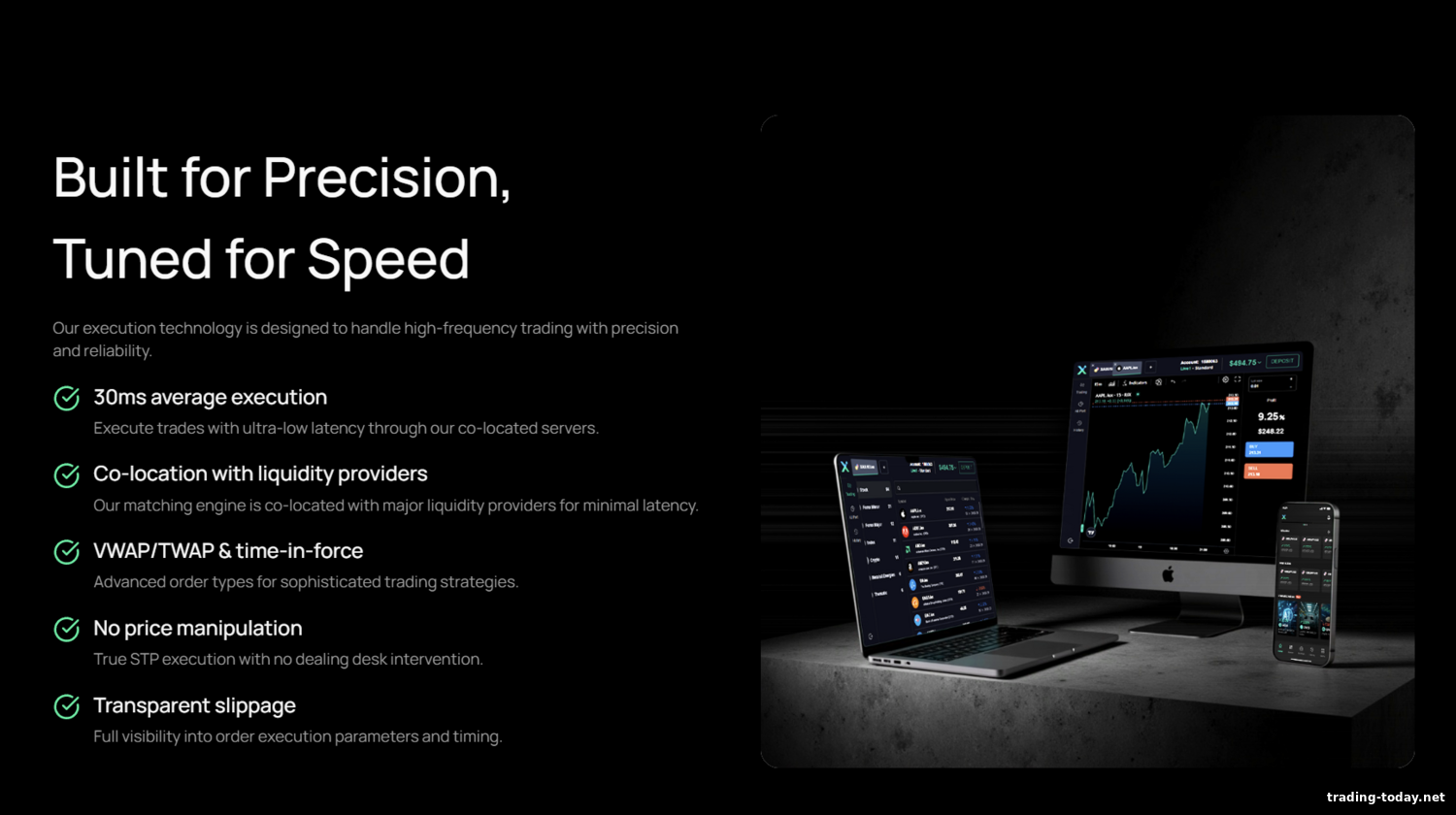
- Tight IUX spreads and zero commissions – spreads from 0.0–0.2 points on Pro/RAW accounts, $0 commission on Standard/Pro; favorable for scalping.
- No broker-side fees for deposits and withdrawals, no hidden charges or inactivity fees.
- Modern platforms – support for MetaTrader 5, a proprietary web terminal (TradingView-based), and the IUX mobile app (iOS/Android).
- Fast order execution – average speed of ~30 ms, market execution without requotes; most strategies are allowed (scalping, news trading, algorithms).
- 24/7 support – responsive live chat, multiple languages, and quick replies (often 1–3 minutes in chat).
- Membership in The Financial Commission – an independent dispute-resolution body with a compensation fund up to $20,000 per client.
- LotBack loyalty program – a rebate of part of the spread/commission based on trading volume, effectively cashback for traders.
- Strong user feedback – IUX’s Trustpilot rating is around 4.2/5; reviews often mention fast withdrawals and overall convenience.
Main disadvantages of IUX:
- Full account verification is required before withdrawals – document upload is standard, but some beginners find the process tedious.
- No MetaTrader 4 support – MT5 only; traders used to MT4 will need time to adapt.
- Limited instrument selection – ~150 assets, which is enough for most, but some competitors (for example, RoboForex, Exness) offer hundreds or even thousands of markets (especially stocks, ETFs). ETFs and bonds are not available.
- No cent account and no VIP account – there are no ultra-micro lot options for practicing with micro-sized positions, and no special tier for very large clients.
- No social trading service – copy trading and PAMM accounts are not offered (clients trade independently).
- Country availability is restricted – IUX does not accept clients from the US, Canada, the UK, EU countries, Japan, Australia, Malaysia, Ukraine, and others (due to regulatory limitations).
- No free VPS hosting – the broker does not provide a free VPS for algorithmic traders, unlike some competitors (you may need to rent separately).
- The mobile app is less feature-rich than desktop – fewer indicators and tools on a smartphone (though basic analysis is available).
- Email support is not the fastest – replies can take up to 24 hours, while live chat is typically much quicker.
Overall, the advantages clearly outweigh the drawbacks. Most IUX limitations are tied to regulation and the business model (country restrictions, no MT4, no social services), while the strengths directly affect convenience and trading costs.
Regulation and client safety
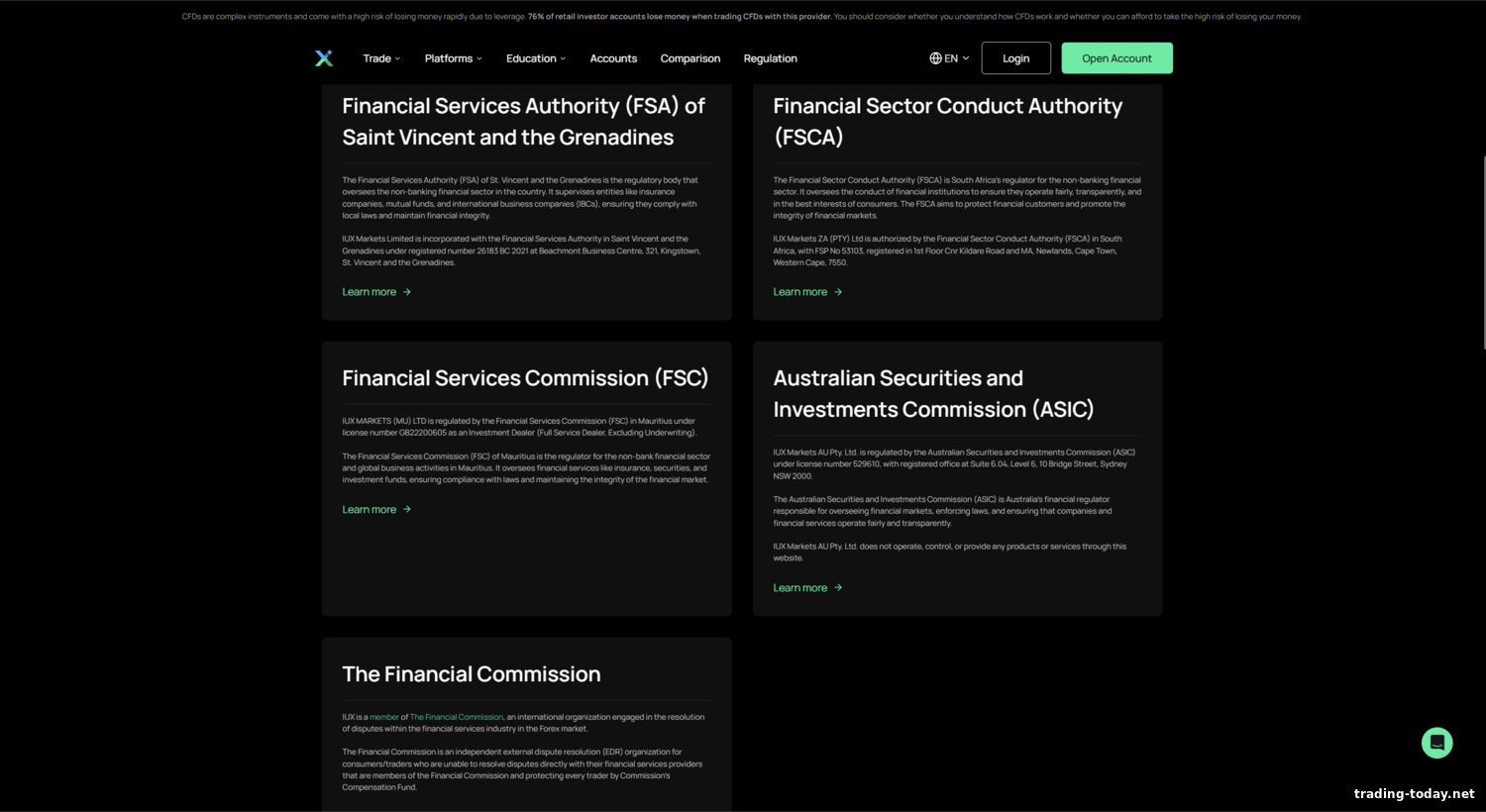
IUX regulation. The IUX brand is operated by several legal entities across different regions, each licensed by its local regulator. The parent company, IUX Markets (MU) Ltd, is registered in Mauritius and holds an FSC Mauritius (Financial Services Commission, No. GB22200605) license. This is an offshore regulator, but it still requires brokers to meet certain financial standards. In addition, IUX operates in South Africa through IUX Markets ZA (Pty) Ltd under FSCA (Financial Sector Conduct Authority, FSP No. 53103). Another affiliated company holds an Australian ASIC (Australian Securities and Investments Commission, No. 529610) license, which can improve perceived credibility among traders. Finally, IUX is registered in St. Vincent (No. 26183 BC 2021) under the FSA St. Vincent & Grenadines jurisdiction, which is not considered a strict regulator, but can be used to legally serve clients outside other regulated zones.
Having multiple licenses suggests the broker follows requirements from different supervisory bodies, including rules on capital adequacy, segregated custody, reporting, and audits. ASIC and FSCA are often viewed as particularly valuable, as these regulators are known for higher standards and investor protections. While IUX does not currently hold an EU/UK license (CySEC, FCA) and does not serve European clients, the company may pursue expanded regulation over time. IUX has stated an intention to obtain a European license, which would open access for clients from the EU.
Security of funds and data. IUX reports several measures designed to protect client money: first, segregated accounts—client deposits are held separately from company funds at reputable banks. This means that even if the broker faces financial difficulties, client funds should remain ring-fenced. Second, negative balance protection is in place: if losses exceed the deposit in volatile markets, the client’s balance is reset to zero, and the broker does not request repayment of a negative balance—losses beyond the deposit are absorbed by IUX. This policy is especially relevant with high leverage such as 1:3000, as it helps prevent debt. Third, strict KYC/AML procedures: registration and withdrawals require identity and address verification, and withdrawals are typically processed only back to the same details used for the original payment. This reduces fraud and money laundering risks: even if someone gains access to an account, it is harder to withdraw funds to a different destination.
Additional trust measures. Since November 2024, IUX has been a member of the International Financial Commission (Financial Commission), an independent organization that handles disputes between traders and brokers. If a client files a claim and it is resolved in their favor, the Commission may pay compensation of up to €20,000 from a special fund. IUX’s membership indicates willingness to accept independent arbitration and adds another layer of client protection. The broker is also certified to PCI DSS standards for secure payment processing (bank card data protection). On its website, IUX publishes copies of licenses and legal documents and openly lists legal addresses: the main office is registered at Ebene Cybercity, Mauritius. This transparency can strengthen trust.
Overall, IUX’s reliability profile looks solid: multiple licenses, Financial Commission membership, balance protection policies, and segregated custody indicate a serious approach to security. Clients can reasonably expect the broker to operate under oversight and follow international compliance practices.
IUX reliability: scam or a fair broker?
When choosing a new broker, any trader asks a natural question: can this company be trusted, and is there any deception? In the case of IUX, there have been no widely known scandals or proven fraud schemes recorded over the years of operation. The broker has been active since 2016 and has not appeared on regulator blacklists during that time. On the contrary, independent ratings and IUX reviews are mostly positive. On the popular site Trustpilot, the broker has a rating of around 4.2 out of 5 stars (based on ~880 reviews). This is a relatively strong result for a Forex company. Clients often mention very fast withdrawals (many report receiving funds to a card or wallet within minutes), tight spreads and swap-free options, and responsive local support. For instance, traders from Southeast Asia highlight support in Thai and Indonesian and the round-the-clock availability. A few real examples from reviews include: “withdrew money very fast, leverage is high, there are bonuses,” “minimum deposit is only $5—great for beginners, spreads are tight, swap-free account,” “I’ve been trading for my 4th year, everything is good, withdrawals are instant, 2FA protection via email.” These comments reflect the core points users notice in practice.
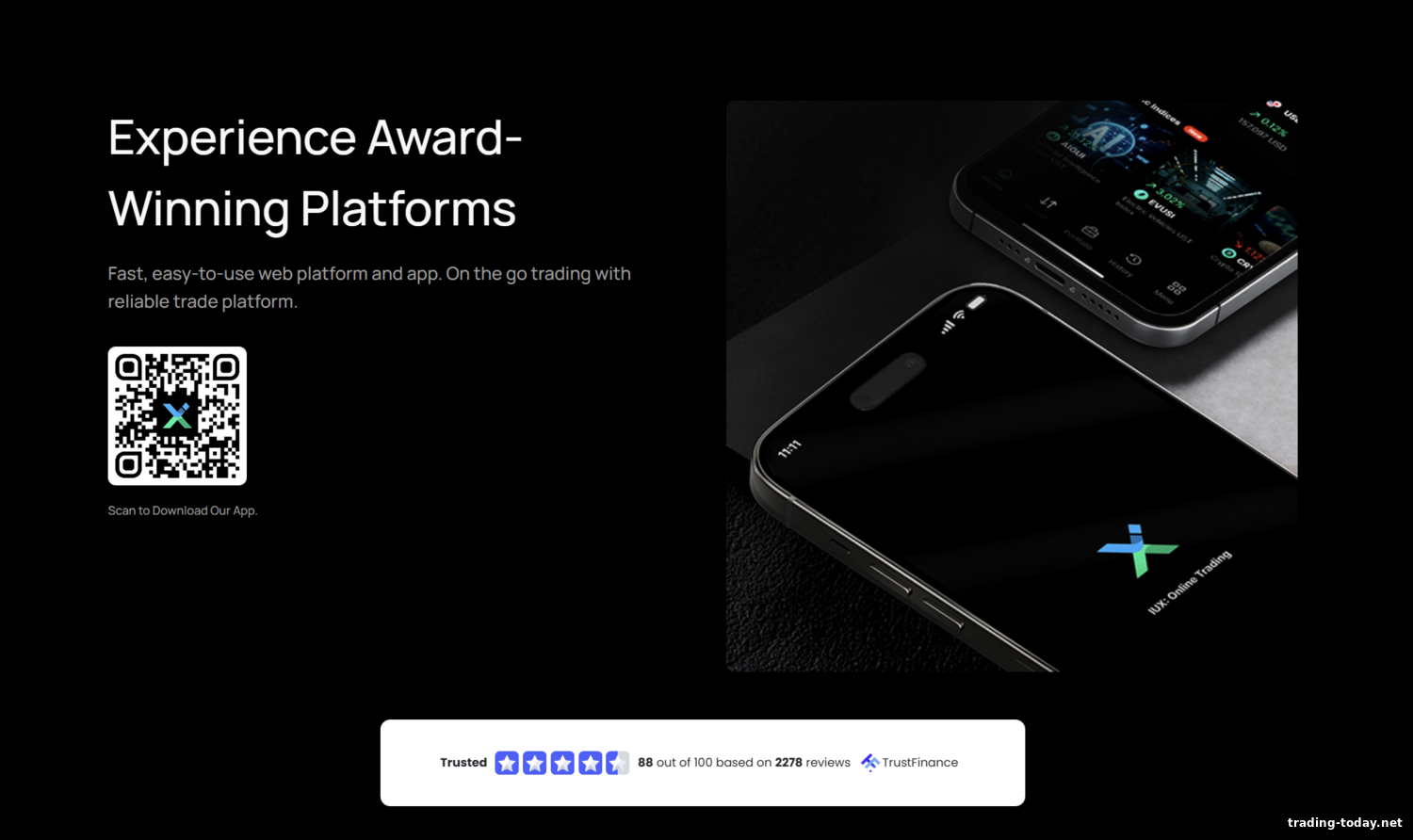
Of course, negative feedback exists as well—no broker is completely free of criticism. Among the relatively small number of critical opinions about IUX, you can find complaints from some clients about slippage or differences between demo and live results. For example, one user noted that take-profit execution on a live account was worse than on demo. Another would prefer not to have the $500 suggested minimum for the professional account. It was also mentioned that during strong news moves, pending orders may not be filled at the exact requested price—which is typical for most brokers during sharp market jumps. Importantly, IUX publicly responds to reviews (including negative ones) and tries to resolve issues, showing openness to feedback.
Independent rating agencies and Forex portals also tend to consider IUX a fair broker. Traders Union called IUX “one of the best brokers in the market” with a high level of client trust. WikiFX, a platform that tracks broker reputations, has not flagged clear scam indicators—its overall IUX reliability score there is around 8/10. Another argument in favor of legitimacy is IUX’s public activity: the company participates in international expos, sponsors a sports club, and openly markets its services. Fraudulent operations, by contrast, often try to stay hidden or frequently change names.
Why do many traders consider IUX trustworthy? First, the broker is regulated and references oversight by multiple bodies, which filters out many common scam patterns (such as disappearing with client funds). Second, pricing is positioned as transparent: spreads and fees are stated upfront, there are no hidden charges, and there are no overly aggressive bonuses with unrealistic turnover requirements—terms appear broadly standard. Third, time in the market matters: 8+ years of operation without major scandals. Scams rarely last that long or build a large international client base. IUX, based on reported volumes (monthly turnover above $1 trillion), appears to serve a substantial number of real traders rather than merely simulating activity.
In summary, IUX does not look like a scam, but rather a broker with a generally positive reputation. Withdrawals are reported as working, trading conditions broadly match what is advertised, and disputes are handled within a formal framework. As always, traders should stay cautious and manage risk, but at present there are no clear grounds to distrust IUX.
IUX trading account types
IUX offers several account types, allowing traders to choose conditions that match their strategy. The main IUX account types are Standard, Pro, and Raw, plus additional modes such as Swap-Free (no swaps) and Demo. Let’s look at the key differences:
- Standard Account. The Standard account is the core option designed for a wide audience—from beginners to experienced traders. The minimum deposit is only $10, which keeps the entry barrier low. There is no per-lot commission; the broker’s cost is included in the spread. Spreads on Standard are floating from about ~0.2 points on major pairs, with EUR/USD averaging around 0.8–1.0 pips during normal hours. Leverage is available up to 1:3000. The Standard account suits beginners who want minimal starting costs, as well as anyone who prefers not to pay a fixed commission.
- Pro Account. The Pro account is designed for more active traders who want even tighter spreads while still keeping commission at zero. Under Pro conditions, spreads start from 0.1 points. In practice, Pro spreads are often 20–30% lower than Standard, especially on major instruments. Commission is $0 (as on Standard). The recommended minimum deposit is from $500, suggesting Pro is aimed at traders with more substantial capital. Leverage is also up to 1:3000. Pro is a good fit for intraday trading and scalping, where every reduction in spread can improve net results. Traders running spread-sensitive strategies (news trading, frequent entries) may value Pro pricing.
- Raw Account. The Raw account is an ECN-style option for advanced traders, with spreads from 0.0 points and a fixed commission per volume. On Raw, IUX provides a “raw” spread (without markup) sourced from liquidity providers—on EUR/USD you can often see 0.0–0.2 pips. Costs are shifted into commission: $7 per 1 lot (standard round turn). The commission is charged in the base currency (USD). The official minimum deposit for Raw is also $500. This account is aimed at scalpers, algorithmic traders, and higher-volume participants, where even fractional spread differences matter. With minimal spreads, execution on Raw is closer to interbank pricing, which can be beneficial for high-frequency approaches. Leverage up to 1:3000 remains available, but it should be used with extra caution, especially given fast execution.
- Swap-Free (Islamic) account. A notable IUX feature is that the Swap-Free option is available on any account type upon request. Swap-Free means no classic swap charges for holding positions overnight—there may be a fixed fee on certain instruments, or none at all (depending on the instrument). IUX positions swap-free primarily for clients from Islamic countries where interest is prohibited. However, other traders can also request it—for example, longer-term traders who want to avoid rollover costs. With IUX, accounts can be swap-free without strict time limits, which can be a meaningful advantage: many competitors require a separate “Islamic” account or limit how long swap-free conditions apply. Here, traders can use Standard/Pro/Raw without swaps on an ongoing basis. This helps reduce costs for positions held for extended periods.
- Demo Account. For anyone who wants to test the platform and practice, a demo account is available. The opening process is simple: after registering a personal cabinet, you can launch a demo without verification. The demo provides virtual funds (commonly $10,000 by default, and the balance can be reset/replenished) and full platform functionality. It allows strategy testing and a real-time look at IUX conditions (spreads, swaps) without financial risk. Beginners are strongly advised to start with a demo to build skills before trading real money.
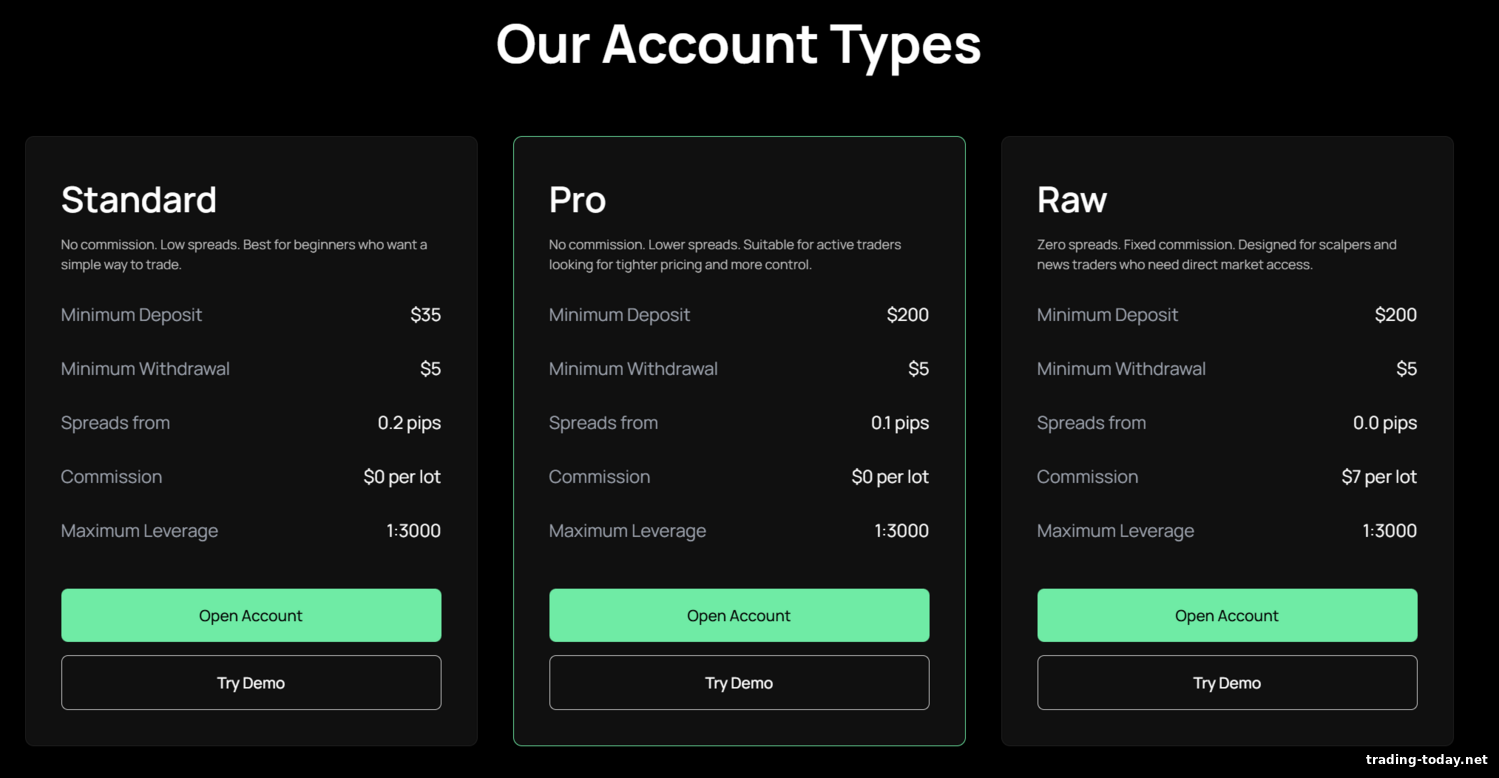
Below is a comparison table of IUX account conditions:
| Account type | Min. deposit | Spreads from | Commission | Leverage | Key features |
|---|---|---|---|---|---|
| Standard | $10 | 0.2 pips | No (0$) | Up to 1:3000 | Basic commission-free account; suitable for beginners and most traders. |
| Pro | $500 (rec.) | 0.1 pips | No (0$) | Up to 1:3000 | Tighter spreads, no commission; optimal for active trading. |
| Raw (ECN) | $500 (rec.) | 0.0 pips | $7 per 1 lot | Up to 1:3000 | Interbank spreads with commission; designed for scalpers and pros. |
| Swap-Free | same as base | same as base | No (or fixed fee) | Up to 1:3000 | No-swap mode on any account; no classic rollover fees. |
| Demo | $0 | 0.0 pips | No | Up to 1:3000 | Training account with virtual funds for practice. |
Note: 1:3000 leverage is available in the international offshore jurisdiction; in some regions (if you trade under ASIC or another regulator), the maximum leverage may be lower due to local rules. You can choose an account type during registration, and you can also open multiple accounts of different types within one cabinet—for example, one for scalping (Raw) and another for longer-term trading (Standard). Switching between them is available at the client’s discretion, which is convenient.
Which account should you choose? If you are a beginner with a small budget, starting with a Standard account is sensible—it has no commission and you can begin with $10–100. For experienced intraday traders or scalpers making dozens of trades per day, Pro or Raw can be more cost-efficient by reducing spread-related expenses. With a sufficient deposit (a few hundred dollars), the Raw commission may be offset by tighter spreads. If you don’t hold positions overnight, you may not feel much difference between swap-free and standard mode; but longer-term traders may benefit from enabling Swap-Free to avoid rollover costs. Overall, it’s a plus that IUX offers flexibility rather than forcing a single one-size-fits-all account.
Trading conditions: spreads, commissions, and hidden costs
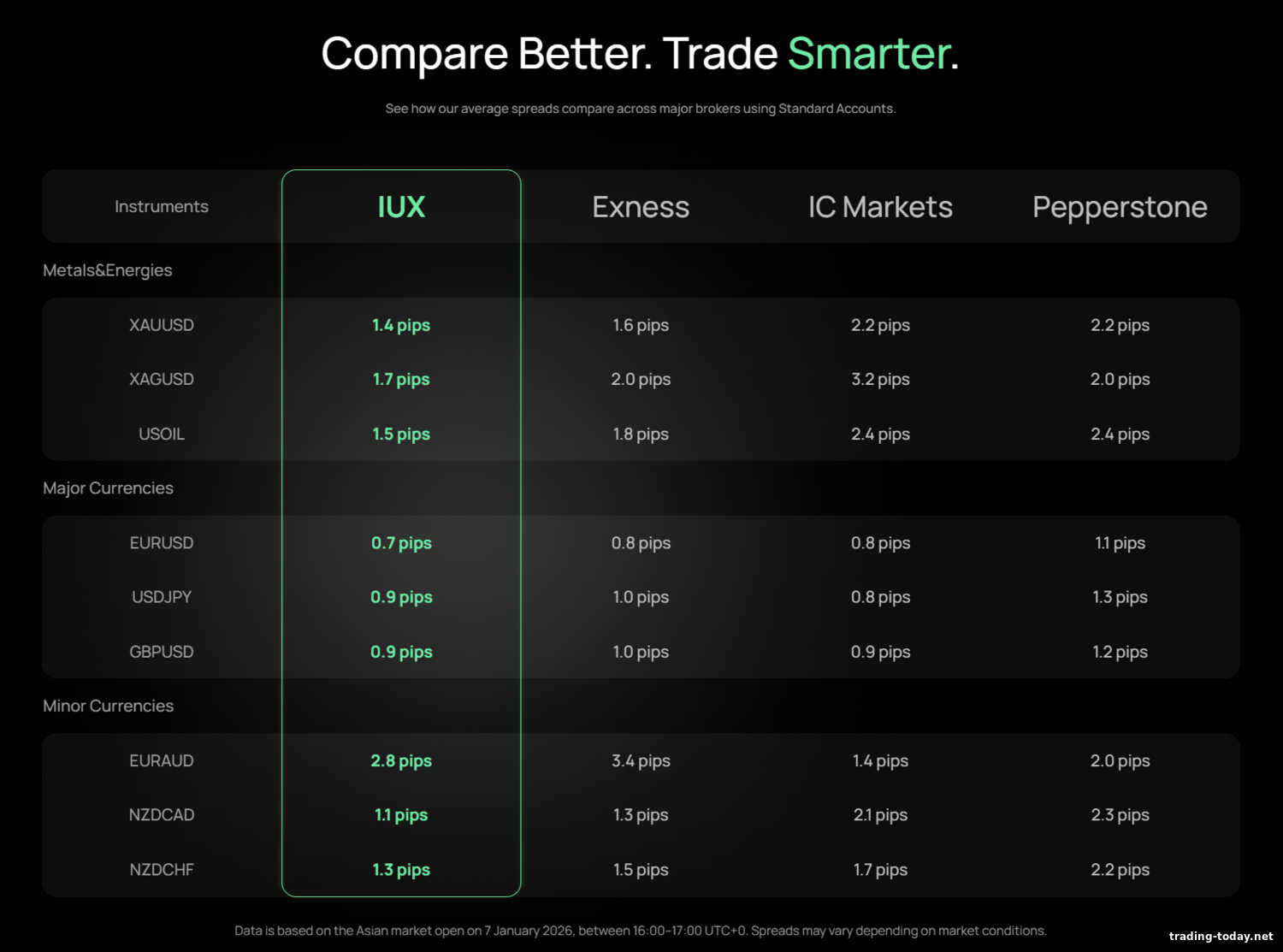
Spreads. One of IUX’s key selling points is low floating spreads across asset categories. For the most popular instruments, spreads are often below typical market levels. For example, on EUR/USD the real spread on Standard/Pro accounts is often around ~0.6–0.8 points, while on the Raw account it can be close to 0.1 points. Other assets also look competitive: gold (XAU/USD) trades with a spread around 0.9 points (≈$0.90), WTI oil is about 1.2 points, the Dow Jones index (US30) is ~1.6 points, and Apple stock is around ~$0.6. These values are notably tighter than what many brokers show on comparable instruments. Such pricing is explained by IUX’s ECN-style model and access to deeper liquidity pools. The company also references its Next Gen Trade spread-management approach, aimed at keeping spread widening limited even during higher volatility. As a result, traders can get pricing closer to institutional levels than is typical for retail accounts.
It’s important to understand that IUX spreads are floating—during calm periods they are minimal, but around major news releases or during low-liquidity times (overnight) they can widen temporarily. Even then, IUX aims to keep pricing competitive. According to reviews, EUR/USD spreads rarely exceed 1.5–2 points even at peak moments, while some competitors may widen to 5+ points. For traders, this can mean more predictable and transparent trading costs.
Trading commissions. As for direct trading commissions, IUX does not charge them on Standard and Pro accounts. All costs are embedded in the spread. This means that if you open a 1-lot trade on Standard, the cost is essentially the spread (for example, 0.8 pips ≈ $8) with no additional fee. On Raw, the commission is $7 per lot, which is equivalent to $3.5 to open + $3.5 to close the position. In total, if you combine a ~0.1-point spread and a $7 commission, the all-in cost of trading 1 lot of EUR/USD on Raw is about $8—still very competitive. For comparison, many other brokers charge a $6–7 ECN commission with a 0.3–0.5 spread, or 1.2–1.5 spread on standard accounts without commission. In this context, IUX is positioned among the lower-cost options in the market, which aligns with awards like “Lowest Trading Costs Broker” (see the awards section).
Swaps (overnight fees). By default, IUX accounts can be made swap-free, meaning the broker does not charge classic rollover fees, except potentially certain administrative charges on specific instruments. This is critical for clients in Islamic countries (no interest), but it can also help other traders—positions can be held longer without swaps “eating into” the balance. For some instruments, a long-hold fee may apply instead of swaps (indices and commodities often use this model), but IUX states this is disclosed in the specifications. According to reviews, swap-free accounts on major FX pairs and gold often do not accrue negative swaps even when positions are held for a week, which can be an advantage for medium-term strategies. If you trade in the standard swap-charging mode, swap rates at IUX are described as broadly in line with market levels (for example, on EUR/USD around -$6 per lot for a sell and +$1 for a buy per day at standard leverage). But since no-swap mode is available widely, many clients choose it to avoid these costs.
Other fees. IUX does not charge non-trading account maintenance fees. Broker-side deposit/withdrawal fees are stated as zero—traders receive the amount they withdraw, minus any charges from the payment provider (bank or e-wallet). There is also no inactivity fee: even if you do not trade for several months, the broker does not deduct a “dormant account” charge (unlike many European brokers that may charge $10–50 after 3–6 months of inactivity). In other words, keeping an IUX account “just in case” should not cost anything. Deposits, withdrawals, and internal transfers between accounts are positioned as free. The main exception is bonus program terms: for example, if you withdraw immediately after receiving a bonus, the bonus may be canceled—this is a standard rule across the industry.
Cost comparison with other brokers. Overall, IUX’s combined trading costs are positioned among the lowest. For example, trading 1 lot of EUR/USD on an IUX Standard account may cost around $8 (spread). With FXPro it could be around ~$13 (spread ~1.3), with AMarkets around ~$10 (spread ~1.0), and with RoboForex (ECN) around ~$9 (0.3 spread + $7 commission). Over time, these differences can add up. Zero broker fees for deposits/withdrawals can also save 1–2% compared with companies that charge payment fees. In addition, the LotBack program can return part of the spread, lowering effective costs further for active traders. No inactivity fee means you can step away without worrying about charges. Hidden fees are not highlighted—pricing is presented as transparent, so clients can see what they pay for. In short, the model is positioned as “trading without extra costs,” which can matter most for active traders and higher volumes.
Trading instruments and markets
IUX positions itself as a multi-asset broker providing access to major global markets via CFDs. Around 150–165 instruments are available in total, spanning Forex, precious metals, energy, stock indices, company shares, cryptocurrencies, and thematic indices. This range is generally enough for basic diversification and a variety of strategies. Let’s review the main categories:
- Forex (currency pairs): IUX offers 34 currency pairs, including all major pairs (EUR/USD, GBP/USD, USD/JPY, etc.), most minors (crosses like EUR/GBP, AUD/JPY), and a few exotics (for example, USD/ZAR, USD/TRY). Maximum leverage on Forex is 1:3000, among the highest in the market. This attracts traders who use aggressive leverage, but it requires discipline. High leverage is typically available primarily on highly liquid majors; for exotics, the broker may reduce it (for example, 1:1000 or 1:500). Even 1:500 remains very high compared to regulated markets (EU cap 1:30, Russia 1:50). Currency trading runs 24 hours a day, 5 days a week (from early Monday to late Friday, with a weekend break).
- Precious metals: Primarily gold (XAU/USD) and silver (XAG/USD), and possibly alloy pairs or XAU/EUR—around 2–4 instruments. Leverage on gold is typically lower than on FX due to volatility—often around 1:1000 or 1:500. Even so, this is high for gold (many brokers cap it at 1:100). IUX spreads on metals are described as competitive: about ~$0.9 on gold and ~4–5 cents on silver. Metals trading typically runs 23 hours per day (with a one-hour technical clearing break), 5 days a week. These assets are popular as a hedge and for news-driven trading (for example, inflation data).
- Energy: IUX provides access to key commodities—WTI and Brent oil (tickers USOIL, UKOIL) and likely natural gas (NG). Leverage on oil and gas is usually limited (for example, up to 1:200 or 1:100) because these markets can move sharply. IUX specifications mention WTI having special margin calculation rules. Still, for most retail traders, 1:100 is sufficient: 1 lot of oil (~1,000 barrels) would require roughly $700 margin at $70 per barrel. Oil spreads are around ~1.2 points for WTI and 2–3 points for Brent—relatively tight. Oil trading is nearly around the clock on weekdays (with technical breaks aligned to exchange sessions). These instruments suit experienced traders due to higher volatility.
- Stock indices: IUX offers major stock indices from the US, Europe, and Asia. Examples include US30 (Dow Jones), NAS100 (NASDAQ 100), SPX500 (S&P 500); GER30 (DAX), UK100 (FTSE), JP225 (Nikkei), etc.—around 10–15 indices. Leverage is typically up to 1:100 (some indices 1:200). Spreads are floating but moderate: Dow Jones ~1.6 points, NASDAQ ~2–3 points, DAX ~1 point. Index trading follows the schedule of the relevant exchanges—mostly during daytime in their local time (for example, US indices are available roughly 16:30 to 23:00 MSK). Indices are popular for short-term trades and news strategies, providing exposure to an entire market in one instrument.
- Stocks (share CFDs): IUX provides access to several dozen large-cap shares via CFDs. With Apple (AAPL) on the list, the focus appears to be on US stocks from the S&P 500 (Apple, Amazon, Tesla, Google, etc.). There may also be some European or Asian names, but the overall number is modest—around 50–70 tickers. Leverage on stocks is typically lower due to risk—expected around ~1:20 or 1:10 at IUX. This is standard: to buy a $100 stock CFD you might need $5–10 margin. Stock spreads are often measured in cents: Apple around ~$0.6, Amazon around ~$1.2, comparable to competitors’ fees. Stock trading runs during the relevant exchange hours (NYSE, NASDAQ, etc.), not 24/7—mainly during the US session (16:30–23:00 MSK). IUX allows trading stock price moves without owning the underlying asset—on both rising and falling markets, with leverage. However, investors seeking hundreds of stocks may find the list limited. It covers mostly well-known companies, which is sufficient for many retail strategies.
- Cryptocurrencies: IUX offers around 15 crypto CFDs, including major coins such as Bitcoin (BTC/USD), Ethereum (ETH/USD), Ripple (XRP/USD), Litecoin, Bitcoin Cash, and others. Crypto trading is available 24/7, including weekends, when traditional markets are closed. This lets traders stay active on Saturday and Sunday. Leverage on crypto is usually limited (for example, 1:50 or 1:100) due to higher volatility, though even these levels can amplify exposure significantly. Crypto spreads at IUX are described as competitive: BTC around ~$30–50, ETH around ~$3–5 (roughly 0.2–0.5%), while many brokers keep wider spreads. No swaps can be a plus, since crypto trading is continuous. Notably, IUX allows crypto trading during hours when Forex is closed, helping reduce “downtime” over weekends or diversify a strategy.
- Thematic indices: A special category includes thematic baskets. For example, the Crypto10 Index tracks the combined performance of the top 10 cryptocurrencies, or a technology basket of high-tech shares. IUX mentions Thematic Index CFDs. These instruments let traders express a view on an entire sector. Crypto10 can be useful if you believe in broad crypto market growth rather than a single coin. While this category may not be extensive on IUX, its presence points to a focus on modern product ideas. Thematic indices are more investment-oriented; volatility is often smoother due to the basket structure. Leverage may be mid-range (around 1:100), and the number of instruments is limited to a couple.
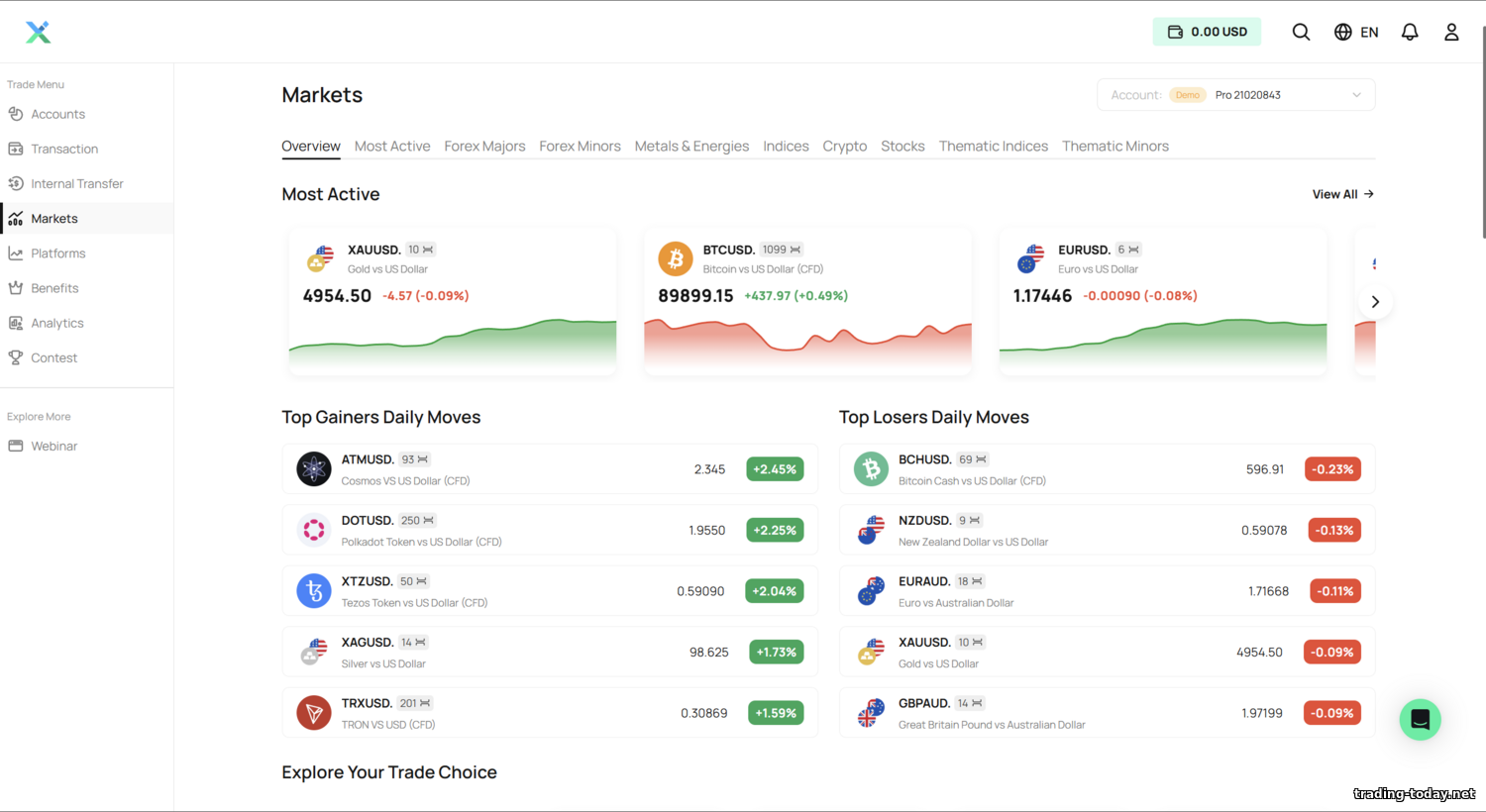
Below is a summary table of IUX markets for clarity:
| Market category | Example instruments | Quantity | Max leverage |
|---|---|---|---|
| Forex (currencies) | EUR/USD, GBP/JPY, USD/ZAR | ~34 pairs | up to 1:3000 |
| Precious metals | XAU/USD (gold), XAG/USD (silver) | 2–3 | up to 1:500–1:1000 |
| Energy | USOIL, UKOIL (WTI/Brent oil) | 2–3 | up to 1:100–1:200 |
| Stock indices | US30, NAS100, GER30, JP225 | ~10-15 | up to 1:100 (some 1:200) |
| Stocks (CFDs) | AAPL, AMZN, TSLA, GOOGL | ~50 | up to 1:20 (US stocks) |
| Cryptocurrencies | BTC/USD, ETH/USD, XRP/USD | ~15 | up to 1:50–1:100 |
| Thematic indices | Crypto10, etc. | 1–2 | ~up to 1:100 |
Note: the exact number of instruments can change over time, and IUX gradually expands the list. In terms of breadth, IUX is slightly behind some industry giants (which may offer 300–1000 instruments, especially stocks). However, the core assets—currencies, gold, oil, indices, major shares, and crypto—are present. For 90% of retail traders, this is more than enough. If your strategy requires niche products (for example, coffee CFDs or hundreds of small-cap shares), IUX may not be the best fit. But if you trade the primary markets, the list should feel sufficient.
Competitive range analysis. For example, RoboForex claims 12,000 instruments, but most are US stocks. XM offers around 1,400 (including many shares and even some ETFs). IUX appears to focus on the most demanded categories, which can simplify selection and support. Also, a smaller list can allow tighter control over spreads and liquidity for each asset. Over time, IUX may add more stocks or ETFs (especially if it obtains licenses in new regions). Still, the current set covers typical needs for an average Forex/CFD trader.
Bottom line: IUX offers a balanced set of instruments—you can trade currencies with very high leverage, hedge with gold, speculate on oil and indices, and trade stock and crypto CFDs, all in one place. Yes, a professional investor seeking dozens of exotic assets may need a broader provider. But for active online trading, IUX covers the key markets, making it a fairly versatile platform.






Reviews and comments